Scranton Masonry Repair: Tuckpointing, Chimney Repair and Brick Restoration in Scranton, PA
Scranton Masonry Repair is a masonry contractor licensed and insured in Pennsylvania, serving Scranton and Lackawanna County. We do tuckpointing and repointing, chimney repair and rebuilding, brick repair and replacement, lintel replacement, stone and masonry restoration, step and porch rebuilds, masonry waterproofing, and commercial masonry. We work in common clay brick, soft historic brick, bluestone, cast stone and terra cotta, and we set every joint in mortar matched to the wall.
Water is what wrecks brick here, and the coal-region winter turns the screw. It sits in an open joint or a thirsty brick face, freezes, and expands until the joint blows out or the face pops. We point in ASTM C270 Type N, S or O mortar picked for the wall, not one bag for every job. Scranton's oldest brick was laid in the anthracite years, set soft in lime mortar, and a hard portland joint driven into it cracks the brick before the joint ever gives. We match the mortar type, the sand and the joint color.
Call for a Free Estimate- Licensed and insured in PA
- Locally owned, not a franchise
- Mortar matched to soft historic brick
- Chimney, lintel, and step rebuilds
- Serving all of Lackawanna County
Tuckpointing and Repointing
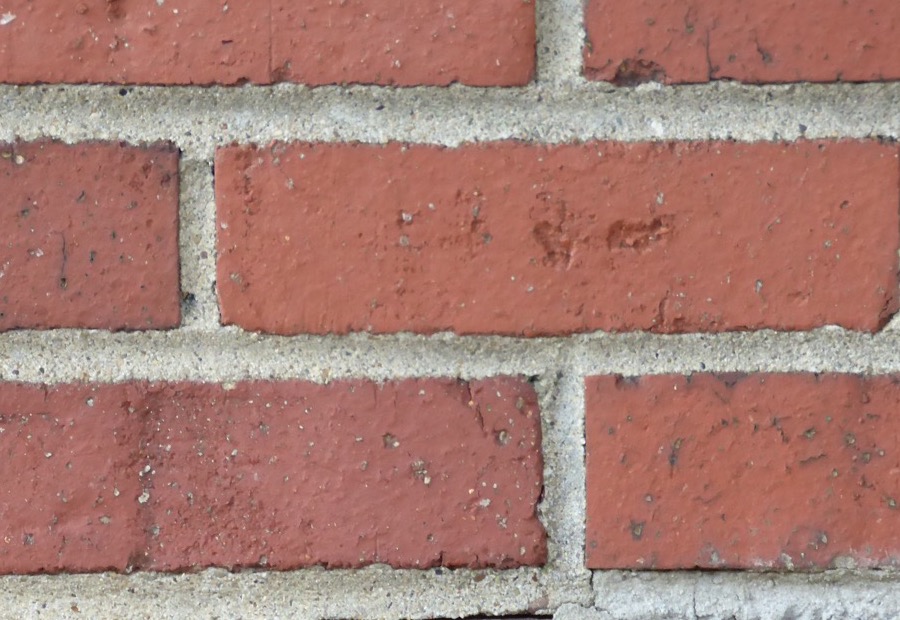
Mortar wears back long before the brick does. That is how a wall is meant to age, with the soft joint taking the weather so the harder brick stays whole. The trouble starts when a joint opens up, because an open joint is a door, and water walks straight through it into the wall. Repointing grinds the spent mortar out to a clean depth and packs fresh mortar back in, tight to the brick and tooled to run water off.
We tuckpoint and repoint brick across Scranton and Lackawanna County. The mix is made to suit the wall in front of us, a soft lime mortar for the old anthracite-era brick and a Type N or S portland blend for the newer stock. We rake the joints out with a grinder, brush them down to sound mortar, and fill them in lifts so the joint packs solid. Last comes the tooling, worked to the profile already on the wall.
Chimney Repair and Rebuilding
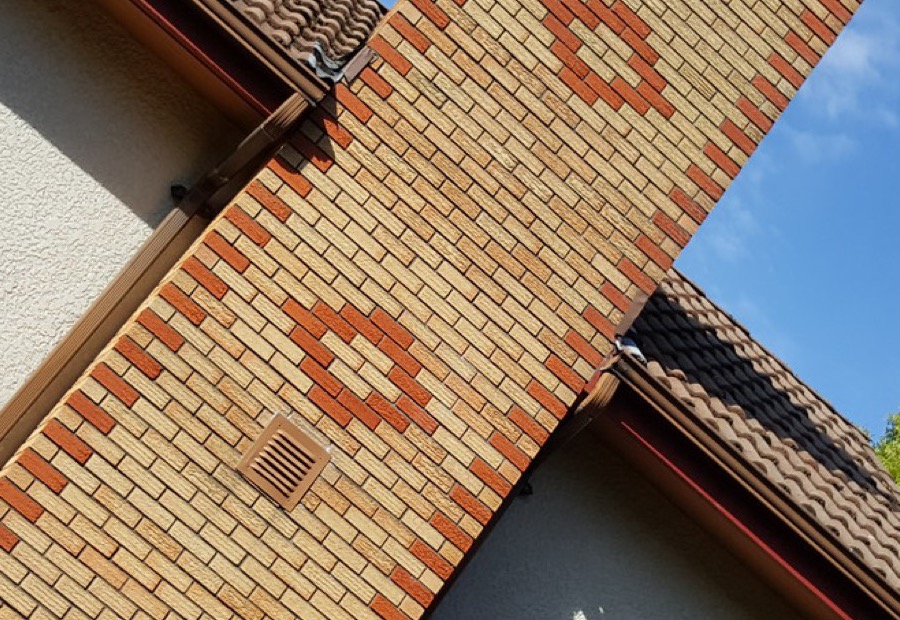
The chimney stands higher than anything else on the house and pays for it. It catches weather on every face, and it comes apart from the top down. A cracked crown or a lifted flashing lets water in at the peak, and from there it runs down through the brick above the roofline, washing joints out and flaking the faces off. By the time it shows from the street, the top courses are usually the worst of it.
We rebuild the brick above the roofline, pour a fresh sloped crown, set a cap over the flue, and reflash where the stack cuts through the roof. More often than not the stack below the roofline is still sound and stays where it is. We show you where the good brick starts before we quote a rebuild. More on chimney repair.
Brick Repair and Replacement
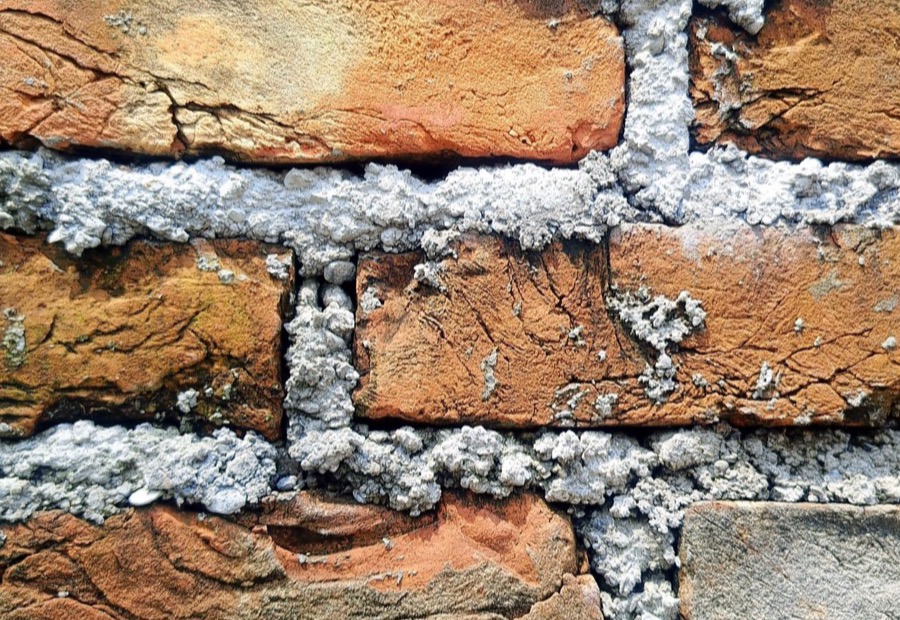
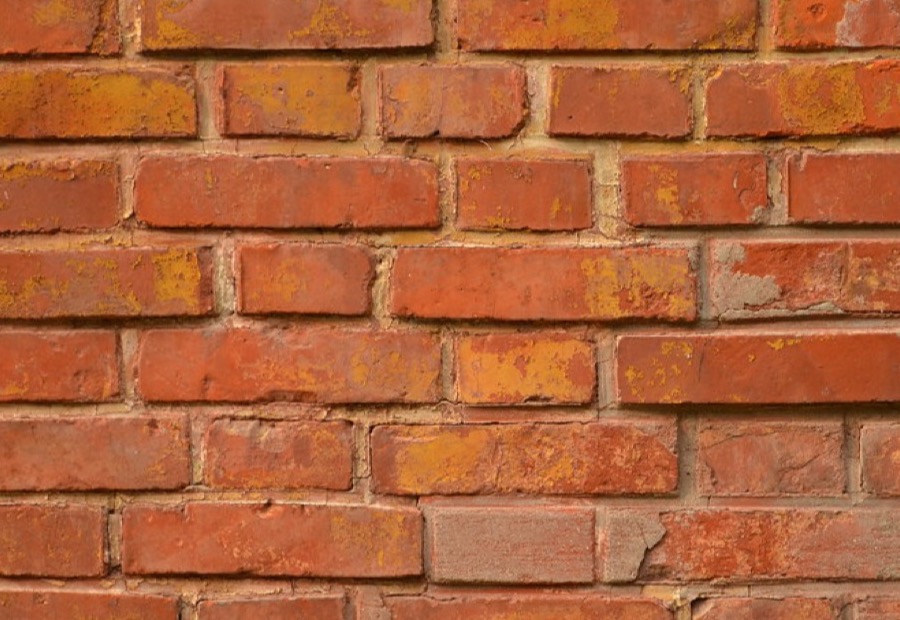
Spalling is the brick failure you meet on nearly every old block in Scranton. Water soaks into a porous brick, freezes, and shoves the face off in flakes or a broken slab. The brick underneath is now bare and drinks water faster, so once spalling starts on a wall it keeps going. A white bloom on the brick, efflorescence, is the other tell. It is salt dropped off by water working its way through the wall.
We cut spalled and cracked brick out and set salvaged or color-matched units in its place, then repoint around the patch so it settles back into the wall. Where a wall is bulging or leaning, the brick has lost its grip on the structure behind it, and that is a different repair. We read the wall before we put a price on it. More on brick repair.
Lintel Replacement
The steel angle over a window or a garage door is a lintel, and it holds up the brick course above the opening. Once the paint wears off and water reaches the steel, it rusts, and rust needs more room than the steel it grew from. That swelling lifts the brick above and splits the joints. Masons call it rust-jacking, and a stair-step crack climbing off the corner of a window is the sign to look for.
We take the loose course down, cut the rusted lintel out, and set a new galvanized steel angle iron with proper bearing on each end. Then we lay the brick back over it and repoint. Left alone, a rust-jacked lintel keeps swelling and keeps lifting, until the brick over the opening is loose enough to drop. More on lintel replacement.
Stone and Masonry Restoration
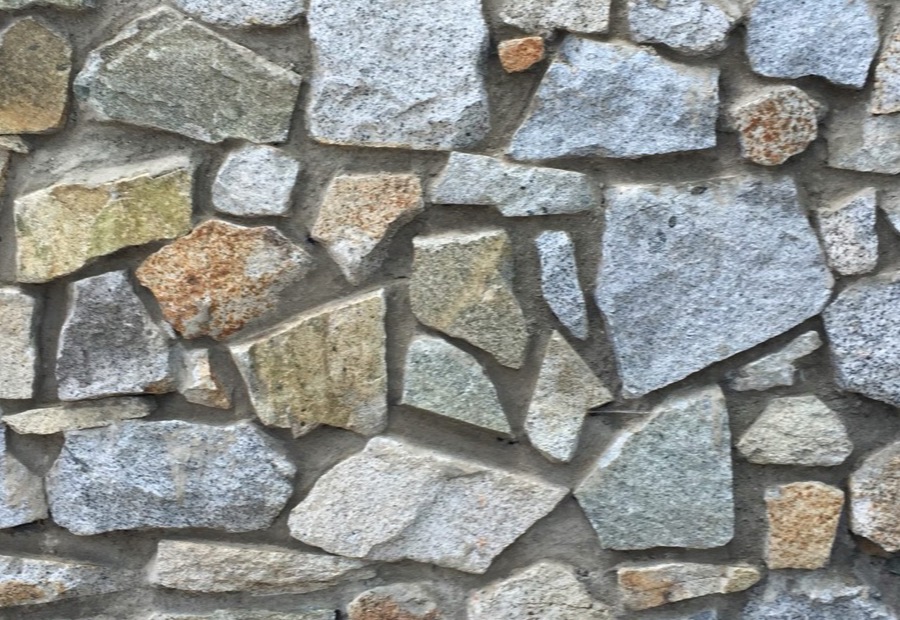
Scranton's older buildings are not all brick. They sit on rubble-stone foundations, and they carry bluestone sills, cast stone caps, and terra cotta trim up the wall. Each of those weathers on its own clock and wants its own repair. Restoration means repointing stone joints, resetting units that have shifted, patching cast stone, and cleaning a wall without stripping the skin off the brick.
We repoint rubble-stone foundations and restore historic masonry in lime-based mortars suited to soft stone and old brick. This is masonry restoration, not a foundation piering or a basement-waterproofing contract. Where a foundation joint has washed out or a bluestone sill has cracked, we rebuild it in matched material. More on stone restoration.
Step, Porch and Stoop Repair
On Scranton's row-home streets the front steps run right down to the sidewalk, and they take a beating no other part of the house does. Everyone walks them, and they hold water, ice, and road salt all winter because they lie flat. Brick and stone steps work loose at the joints, drop at one corner, and begin to rock. A loose tread or a tilting stoop at the front door is a tripping hazard in the worst spot for one.
We rebuild brick, stone, and concrete steps, porches, and stoops. Where settling is the cause, we take the steps down to a sound base and rebuild them so they sit level and drain away from the house. Freeze-thaw did the damage, so we build the repair to shed water rather than trap it against the treads. More on step repair.
Masonry Waterproofing and Sealing
A brick wall is built to breathe. It takes on a little water and gives it back through the same pores. Things go wrong when someone rolls a film-forming sealer over old brick to stop the water. The film blocks the wall from drying, so whatever water gets in behind it stays put, freezes, and lifts the face faster than bare brick ever would.
We seal masonry with a breathable siloxane that soaks in and sheds water while it lets the wall keep drying. We caulk the joints where two materials meet, the gaps a sealer was never meant to bridge. Before any sealer goes on, the joints have to be sound, because a coating brushed over an open joint only hides the hole the water is using. More on waterproofing.
Commercial Masonry
The brick on a downtown storefront or an apartment block fails the same way a house does, only on a taller wall and higher off the ground. Parapets catch weather on both faces and go first. A row of window lintels can rust-jack a whole elevation. Loose facade brick over a public sidewalk is a liability, not just a repair waiting its turn.
We handle commercial tuckpointing, parapet rebuilds, facade and storefront brick, and lintel replacement across an elevation. We can stage the work off hours so the business stays open through it. The method does not change from the house: match the mortar, rebuild what has failed, and seal the wall so it drains. More on commercial masonry.
Why Scranton Homeowners Choose Us
- We match mortar to the brick in front of us. The soft anthracite-era brick around Scranton was laid in lime mortar and needs a soft lime mortar back. A hard portland joint pushed into it cracks the face the next time the wall moves. We match the type, the sand, and the color, so the repair holds and does not stand out. Start with tuckpointing and repointing.
- Freeze-thaw is the enemy, and water is how it gets in. Every repair we make is built to drain, because water sitting in a joint is what freezes and pries the wall apart. That is why we deal with the spalling brick before anyone talks about a sealer.
- Chimneys and lintels get diagnosed, not guessed. A chimney leaking at the crown and a rusted lintel over a window look like brick problems and are really water and steel problems. We find the cause before we rebuild the brick.
- Restoration, not a franchise script. We repoint rubble-stone foundations and restore historic masonry in Scranton's grand old districts. That is masonry work, not a piering or waterproofing package sold off a truck.
- Written pricing, no pressure. You get the diagnosis and a written estimate before work starts. If a wall needs less than you feared, we tell you so.
Built for Scranton's Old Brick and Stone
Scranton grew up on anthracite, and it grew in brick and stone. The blocks around downtown, the Hill Section, and Green Ridge went up before 1940, row home after row home and Victorian after Victorian, most of them sitting on rubble-stone foundations. That age decides the repair. The brick is soft, and it was set in lime mortar, not the hard portland mortar sold today.
Soft brick and lime mortar were built as a pair. The mortar carries the movement and the weather, wearing back slowly so the brick face never has to. Repoint that wall in a hard portland mortar and the balance tips. The joint is now stronger than the brick, so the next hard freeze drives the stress into the brick face and spalls it. On these houses, matching the mortar to the age of the wall is the whole job.
The towns around the city each carry their own stock. Old Forge and Dunmore hold dense old cores of miners' housing close to Scranton's own vintage. Clarks Summit built up a little newer, with brick and block that takes a modern Type N or S mortar. Carbondale and Pittston are older mining towns with brick that goes back to the coal boom. Winter is the constant. Northeastern Pennsylvania freeze-thaw works every open joint and every thirsty brick from one end of the county to the other, and it does not care which town the wall is in.
Our 5-Step Masonry Repair Process
Inspection
We read the wall: the mortar type, where water is getting in, spalled brick, rusted lintels, and cracked joints. You get a written estimate with the scope and price before anything else happens.
Mortar Match
We match the mortar to the wall, soft lime for old brick or a Type N or S portland blend for newer, and match the sand and joint color so the repair blends in.
Rake and Remove
Failed joints are ground out to a clean depth. Spalled brick, rusted lintels, and loose units come out so the repair sits on sound masonry, not on the damage.
Rebuild and Point
New brick or stone is set, joints are packed in lifts, and lintels are replaced in galvanized angle iron. Then the joints are tooled to match the profile on the wall.
Seal and Clean
Where it helps, we seal the wall with a breathable siloxane so it drains and dries. We clean the work down and haul the debris off. You see the wall before we leave.
Masonry Repair Cost in Scranton
These are real price ranges for Scranton and Lackawanna County, not invented numbers. What you actually pay depends on access, height, how much of the wall has failed, and whether the brick needs matching or salvage. Every job gets a free written estimate before work starts.
| Service | Typical Range | Notes |
|---|---|---|
| Tuckpointing / repointing | $8 - $25 per sq ft | Higher for scaffold access and color-matched historic mortar |
| Spot brick replacement | $20 - $50 per brick | More when brick has to be salvaged or matched |
| Chimney repair | $500 - $2,500 | Crown, cap, flashing, and minor repointing |
| Chimney rebuild above roofline | $2,000 - $6,000 | Depends on height and course count |
| Lintel replacement | $800 - $2,500 per opening | Includes rebuilding the brick course above |
| Step / stoop rebuild | $1,500 - $5,000 | Brick or stone, depending on size and base work |
Small repairs start around $500. A full chimney rebuild or a rebuilt front stoop runs into the thousands. The one thing that moves the price most is access. A second-story wall or a tall chimney needs scaffold, and scaffold has to be set and struck before a single joint is ever pointed. We quote the access with the work, so there is no surprise line waiting at the end.
What moves the price:
- Height and access: scaffold or a lift adds setup before any masonry starts
- Matching historic brick and lime mortar takes longer than a stock modern blend
- How far the failure runs, since spalling and rust-jacking spread once they start
- Whether the wall needs sealing after the repair, and how much of it
- Salvaged brick to match a discontinued unit, when a color match is not close enough
Mortar, Brick and Sealer
Type N, S and O Mortar
Mortar is graded for strength under ASTM C270. Type N is the general above-grade mix for most house walls. Type S is stronger, used where a wall carries more load or sits near grade. Type O is a soft, low-strength mix suited to repointing old interior and sheltered walls. Matching the type to the wall matters, because a joint harder than the brick around it pushes the weather into the brick instead of the mortar.
Lime Mortar for Pre-1940 Brick
Brick laid through Scranton's coal years was set in lime mortar, and the brick itself is softer than anything fired now. Lime mortar flexes and breathes along with that soft brick. A modern portland mortar is harder and stiffer, and pushed into an old wall it cracks the brick faces at the joints the first hard winter. On historic brick we point in a lime mix matched to the original.
Salvaged and Matched Brick
When brick has spalled away, the replacement has to match the size, color, and texture of a unit that may be well over a century old. Sometimes a current brick comes close. Sometimes the only match is salvaged brick pulled from the same era. We source the closest match and lay it so the repair reads as part of the original wall.
Breathable Siloxane Sealer
A penetrating siloxane sealer soaks into the brick and repels water while leaving the pores open, so the wall still dries out. That is the opposite of a film-forming sealer, which lays a skin over the brick, traps water behind it, and speeds up the spalling it was meant to stop. On old brick, breathable is the only sealer that helps.
What We Recommend for Scranton Walls
For most pre-1940 Scranton brick, a color-matched lime mortar and a breathable siloxane sealer are the right pair. For newer walls out in Clarks Summit or the edges of Dunmore, a Type N or S portland blend does the job. We read the wall and tell you which one you have before we mix anything.
Frequently Asked Questions
What is the difference between tuckpointing and repointing?
Repointing is the repair: grinding out failed mortar joints and packing in fresh mortar. Tuckpointing is, strictly, a finish that uses two mortar colors to fake a fine joint on a wall that has wider ones. Around Scranton the two words get used for the same job, which is renewing the mortar in a brick wall. When you call, describe the wall and we will tell you which one it actually needs. More on tuckpointing.
How do I know if my brick needs tuckpointing?
Look at the joints. If you can rake one with a key and the mortar crumbles out, or you see gaps and missing mortar, the wall needs repointing. Other signs are a fine sandy powder gathering at the base of the wall, damp patches on the inside face, and daylight showing in the joints on a thin wall. Open joints let water in, and water is what freezes and breaks the wall apart.
Why does my brick keep flaking off?
That is spalling, and freeze-thaw drives it. Water soaks into the brick, freezes, expands, and pushes the face off. Once the face is gone, the brick behind it drinks water faster, so it spreads. Sealing a wall that is already spalling does not fix it. The failed brick has to be cut out and replaced first, and the joints made sound, before any sealer helps.
Can you match my old brick and mortar color?
Yes. Mortar is matched by mixing the right sand and pigment and testing it against the wall until the color and texture line up. Brick is matched by color, size, and texture, and where a current brick will not do, we source salvaged brick from the same era. On a historic wall the match is most of the job, because a repair that stands out is as bad as the damage.
The brick over my window is cracked in a stair-step pattern. What is that?
That is almost always a rusted lintel. The steel angle over the window has corroded, and rust takes up more space than the steel it replaced, so it lifts the brick course above and cracks the joints in a stair-step line. The fix is to remove the course, replace the lintel with new galvanized angle iron, and rebuild the brick.
Do I need to rebuild my whole chimney?
Usually not. Chimneys fail from the top down, so the brick above the roofline is the worst of it while the stack below is often still sound. We rebuild above the roofline, pour a new crown, and reflash where the stack meets the roof. We tell you where the good brick starts before quoting a rebuild. More on chimneys.
What is the white powder on my brick?
Efflorescence. It is salt left on the surface after water passes through the wall and evaporates. Brushing it off treats the stain, not the cause. The salt is telling you water is moving through the masonry, so the real question is where it is getting in: an open joint, a bad crown, a failed sill, or a missing sealer. We trace it before we clean it.
Should I seal my brick?
Only with the right sealer, and only after the joints are sound. A breathable siloxane repels water while letting the wall dry, which helps on exposed old brick. A film-forming sealer does the opposite: it traps water in the wall and speeds up spalling. And no sealer fixes an open joint. If the mortar has failed, the wall needs pointing first, then sealing.
When is the best time of year for masonry work in Scranton?
Spring through fall is the working season. Fresh mortar needs above-freezing temperatures to cure, so the hard coal-country winter days are not the time to point a wall. We can plan and quote in winter and schedule the repair for the first stretch of workable weather. Urgent problems, like a loose brick over a doorway, get handled with cold-weather methods when they cannot wait.
Are my front steps worth rebuilding or should I replace them?
If the brick or stone is sound and only the joints and the base have gone, a rebuild resets the steps level on a solid base and saves the original material. If the units are spalled through or the whole run has settled hard, a full rebuild is the better value. We look at the base and the treads and tell you which one you are facing.
Do you do commercial masonry?
Yes. We handle commercial tuckpointing, parapet rebuilds, facade and storefront brick, and lintel replacement across a full elevation. Commercial jobs can be staged off hours so a business stays open. Loose facade brick over a public sidewalk gets priority, because it is a safety problem before it is a repair.
Is a bulging or leaning brick wall dangerous?
It can be. A wall that bulges or bows has lost the bond between the brick face and the structure behind it, and it will not pull itself back. Some are stable enough to rebuild in sections; some need the wall taken down and relaid. This is not a repoint. We assess how far the wall has moved and whether it is still tied to the building before recommending anything.
Are you licensed and insured?
Yes. We are a licensed and insured masonry contractor working across Scranton and Lackawanna County. Requests through this site are routed to a local, licensed, and insured mason who will contact you directly. You get a written estimate before any work begins.
Serving Scranton and Lackawanna County
We repair brick and stone throughout Scranton and the surrounding towns of Lackawanna County. Every town has its own mix of old and new masonry, and its own turn at the freeze-thaw problem. We know the stock and the repair it needs.
Ready to Get the Brick Looked At?
Call (570) 555-0148 for a free estimate. Tell us where the problem is: a chimney, a cracked window head, a loose step, a wall that is flaking or bowing. Tell us the home's approximate age and whether you have seen water inside. You will get a straight read on what has failed, what caused it, and what the repair costs. We will tell you when the fix is small and when a wall needs real work. No pressure and no fine print, just a clear answer from a mason who works Scranton brick.